Paper breakdownMobile moneyRemittancesDisasters
When the rain fails, who does mobile money protect?
Mobile money helps families survive a village-wide drought, but the help seems to stop at the user's front door.
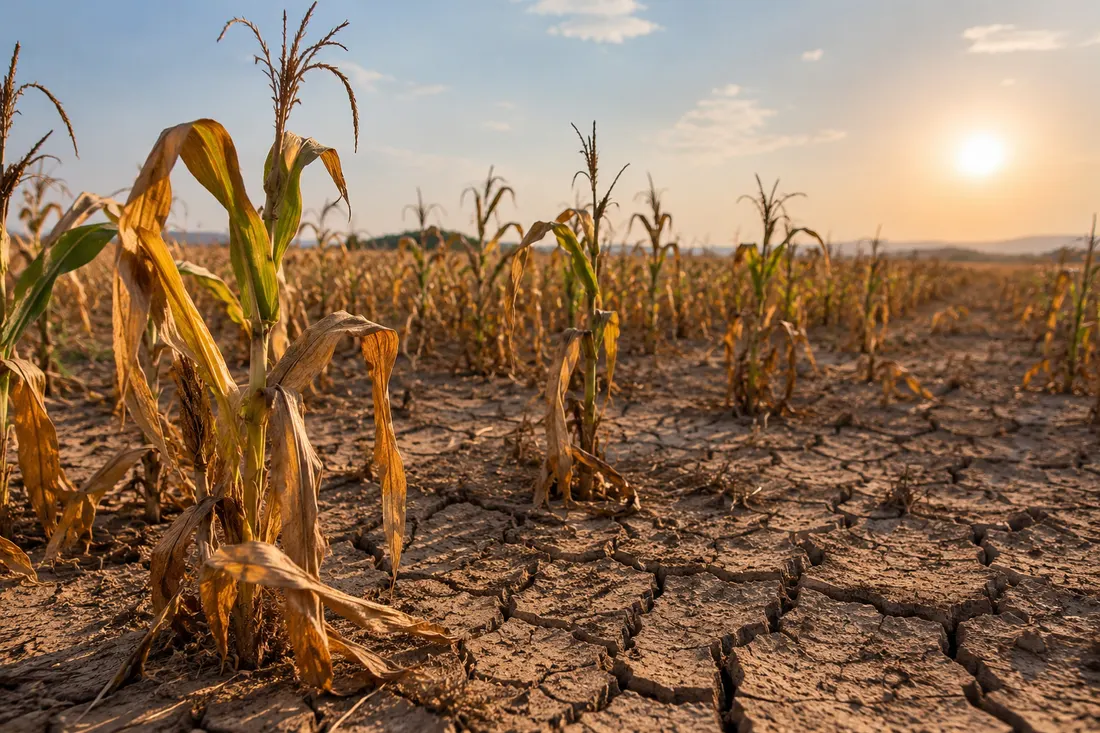
On 26 August, a flash flood tore down the Bhote Koshi and Trishuli rivers through Rasuwa, Nuwakot and Dhading, killing more than a thousand people and leaving thousands missing. Since then I’ve kept asking a question close to my own work in fintech: can digital money soften the blow when a whole community is hit at once?
The closest evidence I found is a 2018 paper on mobile money in Tanzania. It’s mostly about droughts, a slower and very different kind of disaster, so it doesn’t answer what happened in Rasuwa. But it says something useful about who digital money protects, and who it leaves out.
The question
When a drought hits a village, everyone is hit at once. The usual safety net, neighbours helping neighbours, stops working because nobody has anything spare. This paper asks two things: does mobile money protect families in that situation, and does the help reach neighbours who don’t use it?
What she did
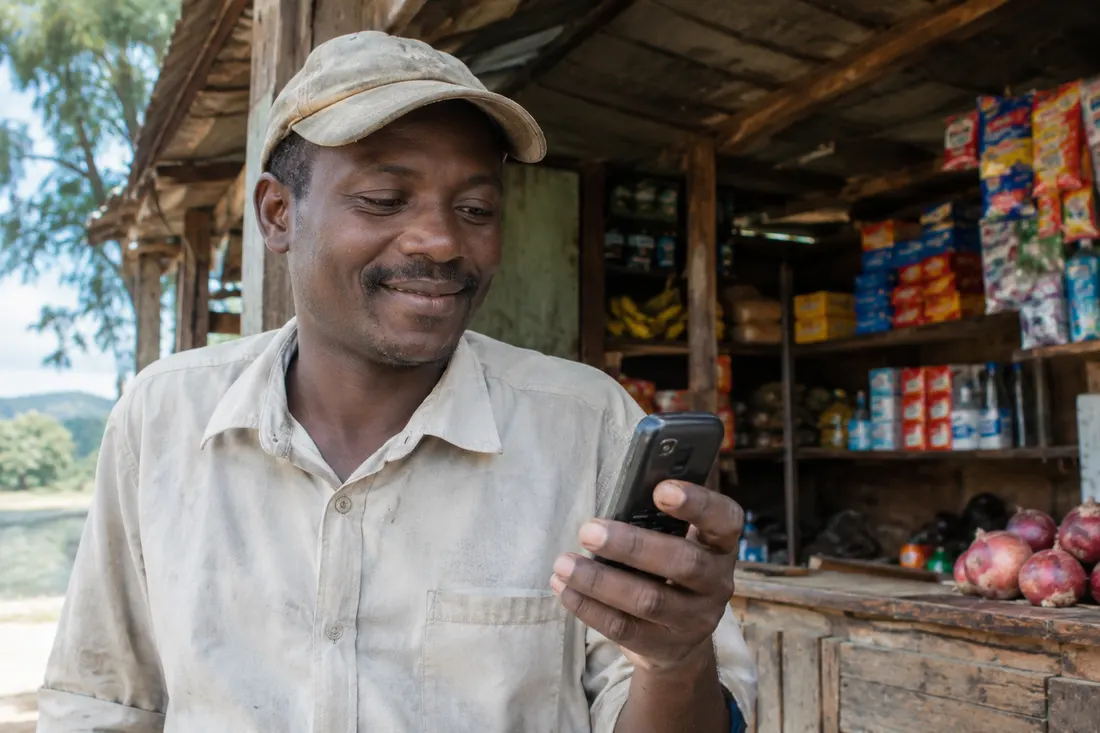
The author follows the same 3,265 Tanzanian households from 2008 to 2013, the years when M-Pesa and similar services spread across the country. She compares three groups: families who use mobile money, their neighbours who don’t, and families in villages where nobody uses it. Then she looks at what happens to their spending in years with unusually high or low rainfall compared with normal years.
Rainfall is useful here because nobody chooses it. A drought hits rich and poor, connected and unconnected, alike.
What they found
| After a rainfall shock | Change in spending |
|---|---|
| Families using mobile money | +5.3% no real drop |
| Their neighbours without mobile money | −6.3% |
| Families in villages with no users | −6.8% |
Source: Riley (2018), Table 3, column 3.
When a drought or flood hits, families without mobile money cut their spending by about 6.6% on average. For an average person, that’s around 49,000 Tanzanian shillings a year, or roughly $37 (about NPR 2,900) at 2009 exchange rates.
Families with mobile money don’t cut back at all. The reason seems to be remittances: after a shock, users receive noticeably more money from relatives elsewhere, enough to cover about two-thirds of the drop.
But their neighbours without mobile money cut back just as much as families in villages where no one uses it. The money coming in doesn’t seem to be shared.
Why it matters
Floods and droughts are among the biggest risks poor families face, and village networks can’t insure against them. Mobile money offers a way around that, but only for people who have it. For governments and aid agencies, that means relief after a disaster can’t assume mobile money has already reached everyone.
My take
I think the paper’s real finding is that mobile money is a private safety net, not a village one.
The main result is convincing. Because rainfall is random, the comparison between users and non-users is fair, and the protection for users holds up across several checks.
I’m less sure about the “no sharing” result. The paper finds no evidence of sharing, but the estimate is imprecise enough that some sharing could still be happening. The bigger worry is something the data can’t see: whether a family has a son or daughter working in the city. That alone could explain both why a family uses mobile money and why it copes better.
What this means for Nepal
Nepal looks similar on the surface: heavy reliance on remittances and regular floods and landslides. But the mechanism may differ. In Tanzania, most remittances came from within the country, and mobile money was the first cheap way to send them. In Nepal, much of the money families receive comes from abroad, through channels that existed long before wallets. So the biggest effect of wallets like eSewa or Khalti may be on money sent within Nepal, for example from Kathmandu to a village in the hills after a disaster.